
Cataracts
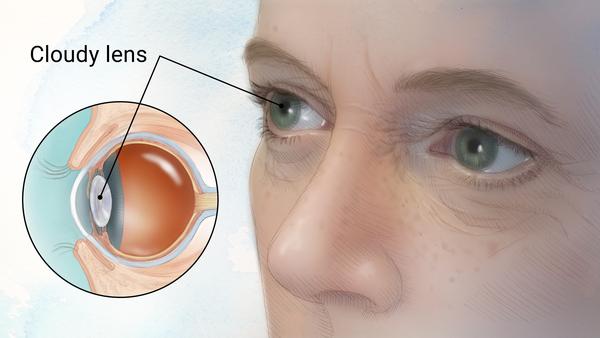
Cataracts are progressive clouding of the eye’s natural lens that can blur vision and glare.
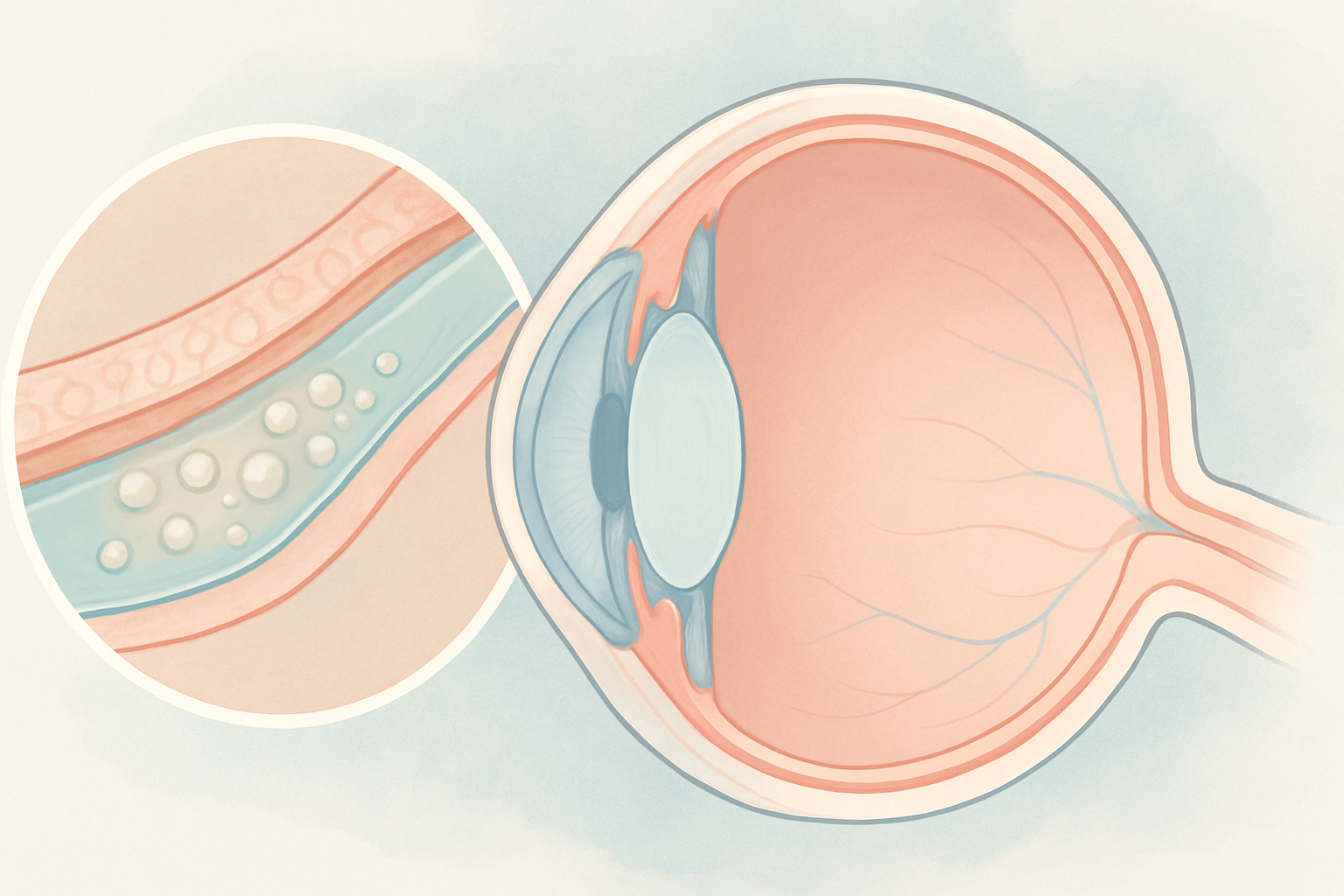
Fuchs corneal dystrophy causes gradual corneal cell loss that can swell and cloud your cornea.
Hear from Dr. Rosenfarb
Whether you prefer hands-on care, convenient telehealth visits, or self-guided learning, we have multiple ways to help you manage Fuchs Dystrophy.

Start here. A member of our care team will review your condition and situation, answer your questions, and walk you through the treatment options that are the best fit for you.
Book your free assessment call
Combining acupuncture, laser therapy & diagnostics at Dr. Rosenfarb's office in New Jersey. 90% of patients see measurable vision improvements.
Learn more
One-on-one virtual sessions with Dr. Rosenfarb. Get personalized assessment and custom treatment plan from home.
Learn more
Scientifically-formulated supplements chosen by Dr. Rosenfarb to nourish your eyes and support healthy vision recovery.
Get supplementsDr. Rosenfarb's top-recommended supplements to nourish and protect your eyes.

Supplements
$65.00

Eye Drops & Lubricants
$40.00$35.00
Save 13%

Eye Drops & Lubricants
$30.00
Ready to take the next step?
Choose whatever feels right for you — no pressure, no commitment.
Common questions we get asked about Fuchs Dystrophy.
No. Fuchs dystrophy is a progressive, inherited condition; the lost endothelial cells do not regenerate. Supportive care can slow functional decline, but spontaneous recovery has not been documented.
Not always. Many people manage for years with drops, lifestyle adjustments, and integrative care before vision loss or pain makes endothelial keratoplasty advisable. Regular monitoring helps time surgery only when it provides clear benefit.
Yes. Sleeping on your back or the side opposite your worse eye may reduce overnight corneal swelling. Elevating the head of the bed a few inches can also limit morning blur.
Soft or scleral lenses can be used if the surface is smooth and swelling is mild, but they must be fitted carefully and monitored to avoid worsening edema or hypoxia. Bandage lenses are sometimes prescribed for pain relief.
They are separate problems, but both become more common with age, and many patients develop cataracts while living with Fuchs dystrophy. Surgeons often combine cataract removal with endothelial keratoplasty to minimize procedures.
A diet rich in antioxidants and omega-3 fatty acids may support corneal cell metabolism. Supplements such as vitamin C, astaxanthin, and N-acetylcysteine are frequently recommended, but they complement—not replace—medical treatment.
Recurrence is rare but possible because the underlying genetic tendency remains. Modern DMEK grafts have high long-term clarity rates; with proper care most grafts last decades.
Blue light does not damage endothelial cells directly, but prolonged screen use can increase glare discomfort when the cornea is swollen. Frequent breaks, proper lighting, and blue-light–filtering lenses may improve visual comfort.
Discover other eye conditions that share similar causes, symptoms, or treatment approaches with the one you're exploring.
Cataracts are progressive clouding of the eye’s natural lens that can blur vision and glare.