
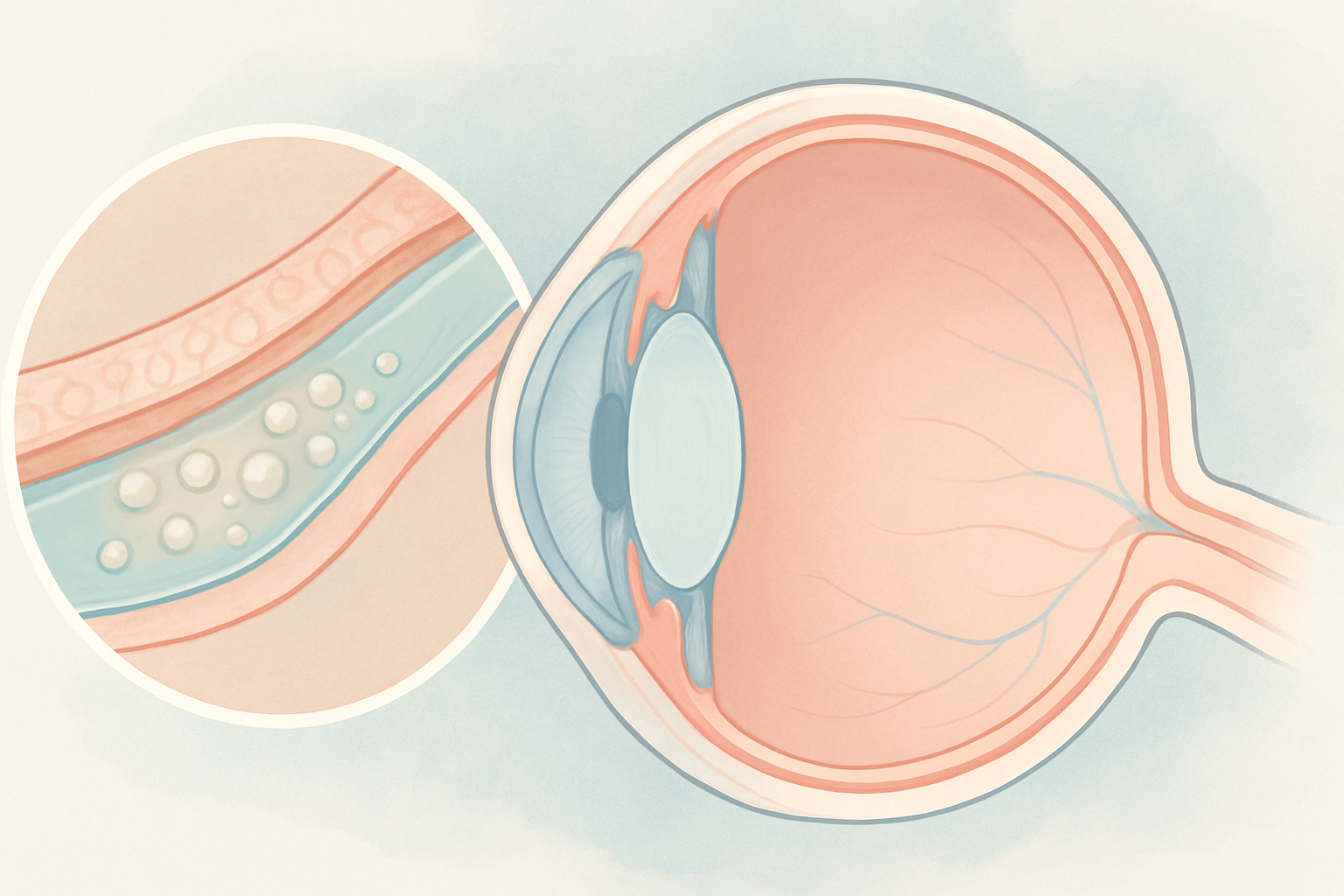
Fuchs Dystrophy
Fuchs corneal dystrophy causes gradual corneal cell loss that can swell and cloud your cornea.
Cataracts are progressive clouding of the eye’s natural lens that can blur vision and glare.
Hear from Dr. Rosenfarb
Whether you prefer hands-on care, convenient telehealth visits, or self-guided learning, we have multiple ways to help you manage Cataracts.

Start here. A member of our care team will review your condition and situation, answer your questions, and walk you through the treatment options that are the best fit for you.
Book your free assessment call
Combining acupuncture, laser therapy & diagnostics at Dr. Rosenfarb's office in New Jersey. 90% of patients see measurable vision improvements.
Learn more
One-on-one virtual sessions with Dr. Rosenfarb. Get personalized assessment and custom treatment plan from home.
Learn more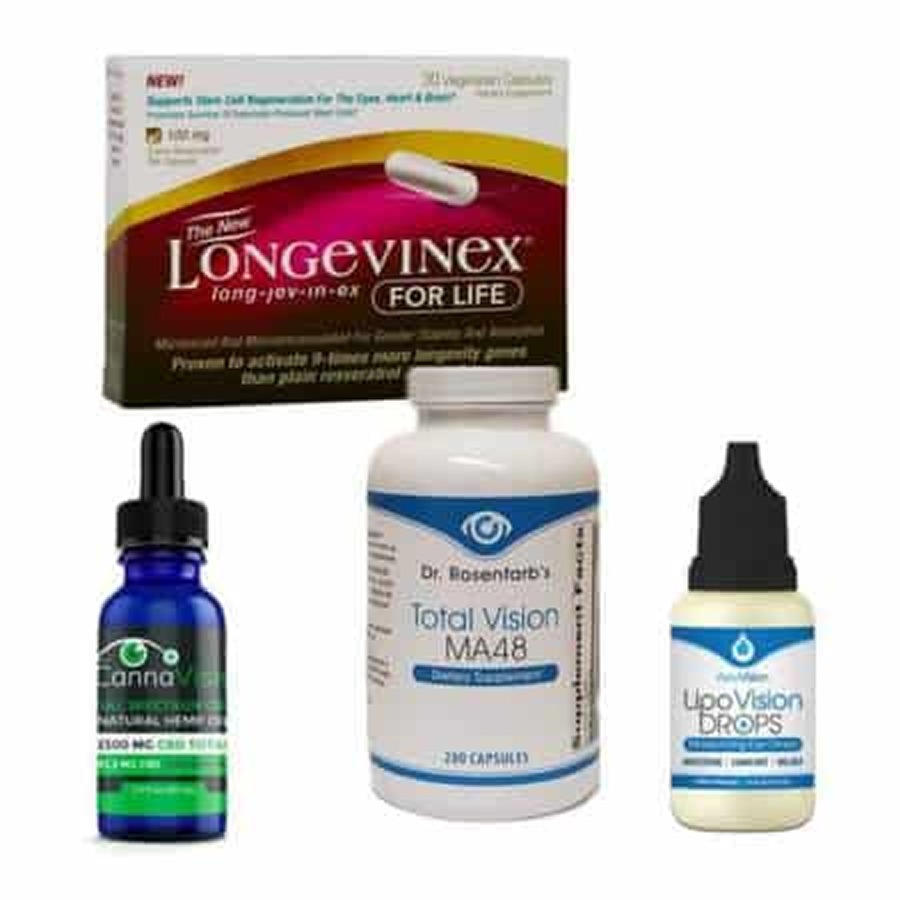
Scientifically-formulated supplements chosen by Dr. Rosenfarb to nourish your eyes and support healthy vision recovery.
Get supplementsDr. Rosenfarb's top-recommended supplements to nourish and protect your eyes.

Vitamins & Supplements
$30.00

Eye Drops & Lubricants
$40.00
Ready to take the next step?
Choose whatever feels right for you — no pressure, no commitment.
Common questions we get asked about Cataracts.
Most uncomplicated cataract procedures are completed in 10–20 minutes per eye, though you should plan on being at the surgical center for about two hours to allow for pre-op preparation and recovery.
The cloudy lens itself cannot regrow, but a thin membrane behind the implant can occasionally become hazy (“secondary cataract”). A quick in-office YAG laser treatment restores clarity if this occurs.
No medication has been conclusively shown to reverse an established cataract; eye drops and supplements may slow progression, but surgery remains the only definitive treatment once vision is significantly impaired.
Same-day bilateral surgery is possible, yet most surgeons prefer separate sessions a week or two apart to monitor healing and minimize infection risk.
Yes. Even with UV-blocking intraocular lenses, wrap-around sunglasses add critical surface and side protection against ultraviolet and high-energy blue light.
Discover other eye conditions that share similar causes, symptoms, or treatment approaches with the one you're exploring.
Fuchs corneal dystrophy causes gradual corneal cell loss that can swell and cloud your cornea.