Diabetic Retinopathy
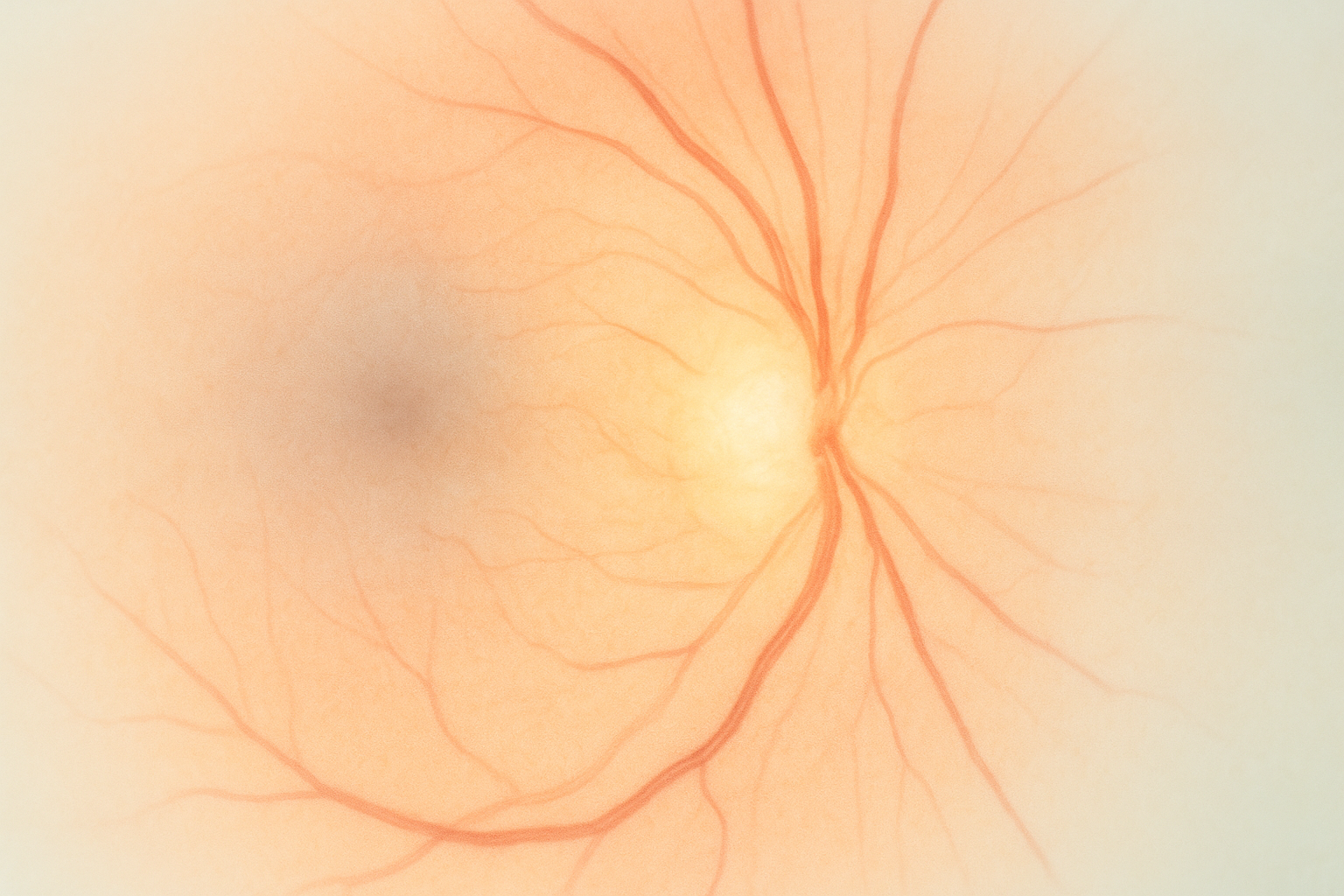
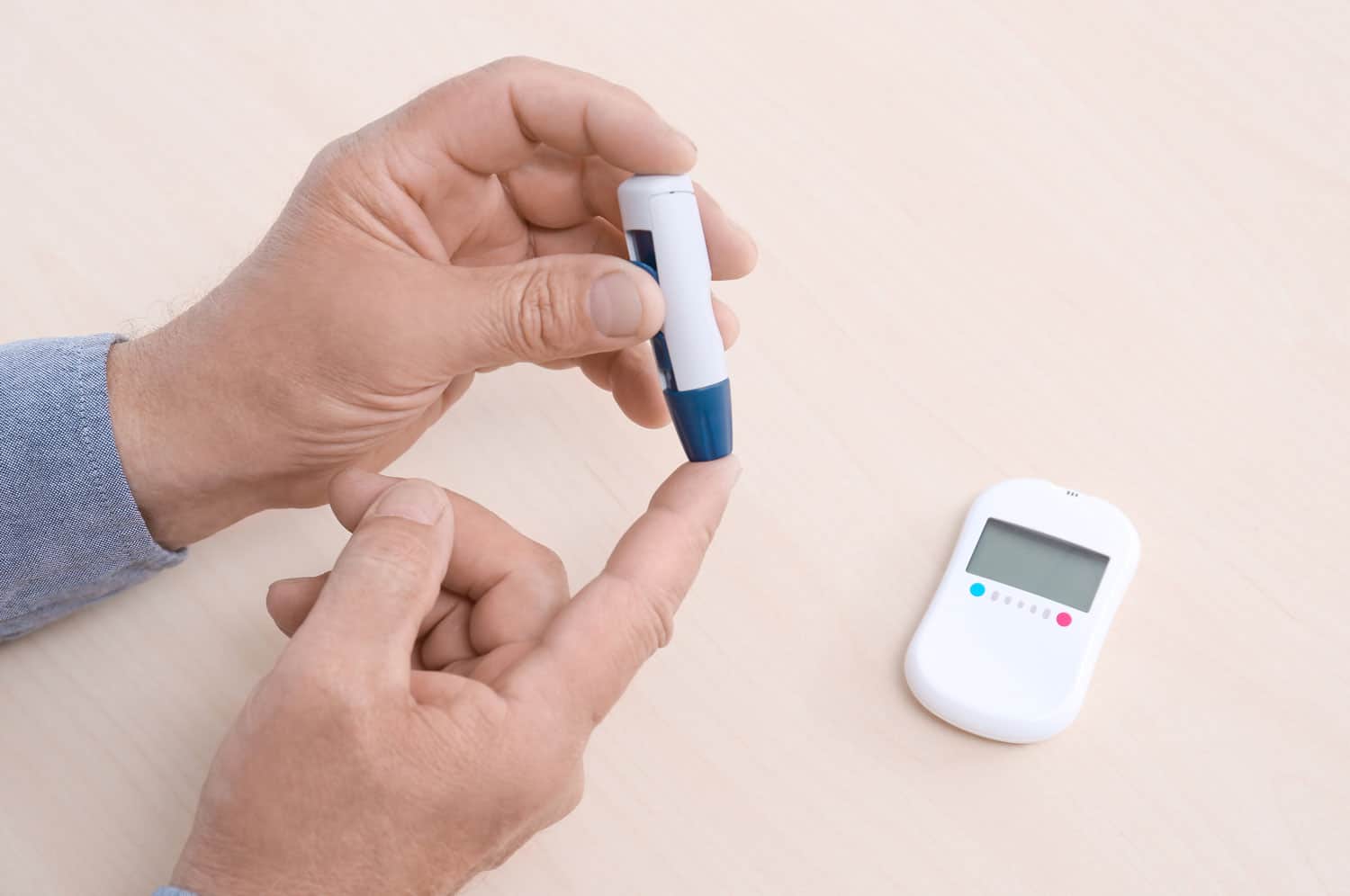
Diabetic retinopathy develops when high blood sugar damages retinal blood vessels, causing blurry vision, floaters, and potentially permanent vision loss.
Retinitis pigmentosa is an inherited retinal disorder that gradually destroys photoreceptor cells, leading to night blindness and progressive tunnel vision.
Hear from Dr. Rosenfarb
Whether you prefer hands-on care, convenient telehealth visits, or self-guided learning, we have multiple ways to help you manage Retinitis Pigmentosa / Usher Syndrome.

Start here. A member of our care team will review your condition and situation, answer your questions, and walk you through the treatment options that are the best fit for you.
Book your free assessment call
Combining acupuncture, laser therapy & diagnostics at Dr. Rosenfarb's office in New Jersey. 90% of patients see measurable vision improvements.
Learn more
One-on-one virtual sessions with Dr. Rosenfarb. Get personalized assessment and custom treatment plan from home.
Learn more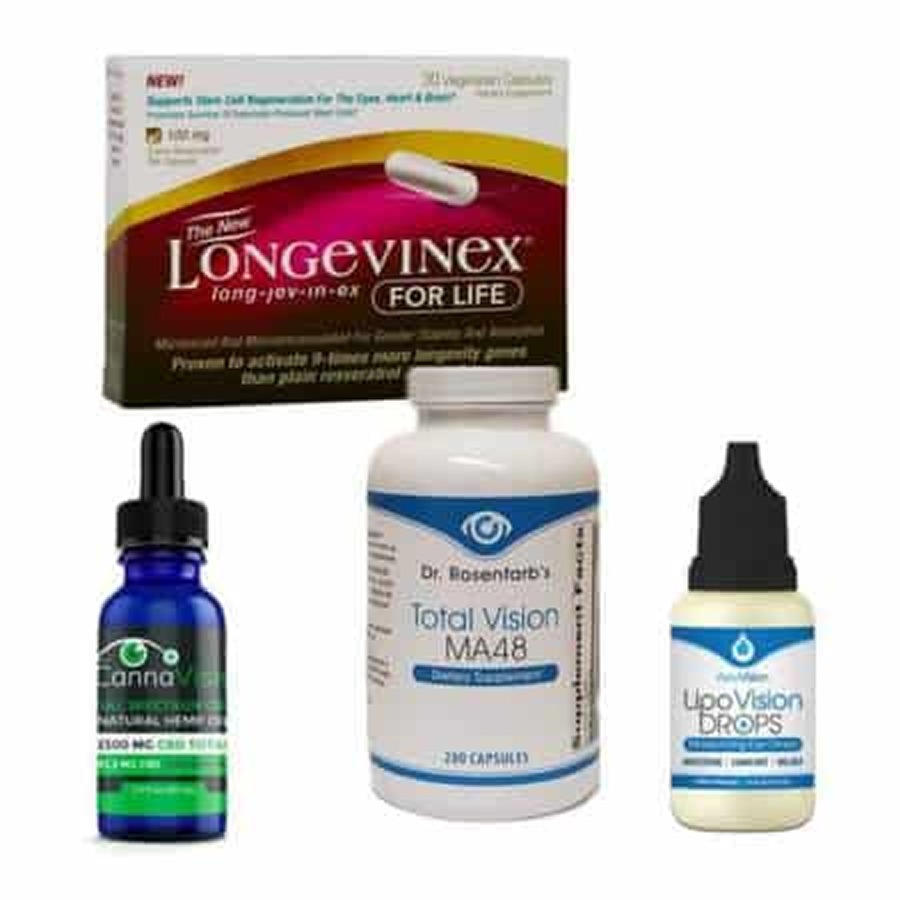
Scientifically-formulated supplements chosen by Dr. Rosenfarb to nourish your eyes and support healthy vision recovery.
Get supplementsDr. Rosenfarb's top-recommended supplements to nourish and protect your eyes.

Supplements
$65.00

Supplements
$70.00

Vitamins & Supplements
$30.00

Supplements
$30.00$25.00
Save 17%
Ready to take the next step?
Choose whatever feels right for you — no pressure, no commitment.
Common questions we get asked about Retinitis Pigmentosa / Usher Syndrome.
Not necessarily. Dr Andy Rosenfarb notes that many first‑generation patients show no family history or identifiable mutation and believes that 'the highest probability of the causality of RP is autoimmune', with inflammation and environmental triggers flipping a silent gene into active disease.
Night‑blindness, sudden bursts of floaters or flashes, and any dark 'curtain' moving across your vision all require same‑day evaluation. A fresh retinal tear can detach in hours, so Dr. Rosenfarb advises seeking help 'within 24 hours' if these signs appear.
Yes. Dr. Rosenfarb reports that 9 out of 10 patients in his clinic show measurable gains after integrative care—acupuncture, targeted supplements, and hyperbaric oxygen—followed by long‑term remission strategies. The goal: 'recover as much as we can… then help you keep what you’ve got'.
Regular aerobic exercise for oxygen delivery, an anti‑inflammatory diet, food‑allergy testing, stress control, blue‑light and UV protection, and 7 + hours of quality sleep are Dr. Rosenfarb’s non‑negotiables. He emphasizes that vision worsens when patients 'stop exercising and are under more stress'.
Key nutrients include vitamin A palmitate, omega‑3 DHA, carotenoids (lutein, zeaxanthin, astaxanthin), full‑spectrum CBD, and taurine. These address oxidative stress, inflammation, and photoreceptor repair; detailed condition‑specific stacks are listed on the Eye Health Institute’s site.
Discover other eye conditions that share similar causes, symptoms, or treatment approaches with the one you're exploring.
Diabetic retinopathy develops when high blood sugar damages retinal blood vessels, causing blurry vision, floaters, and potentially permanent vision loss.
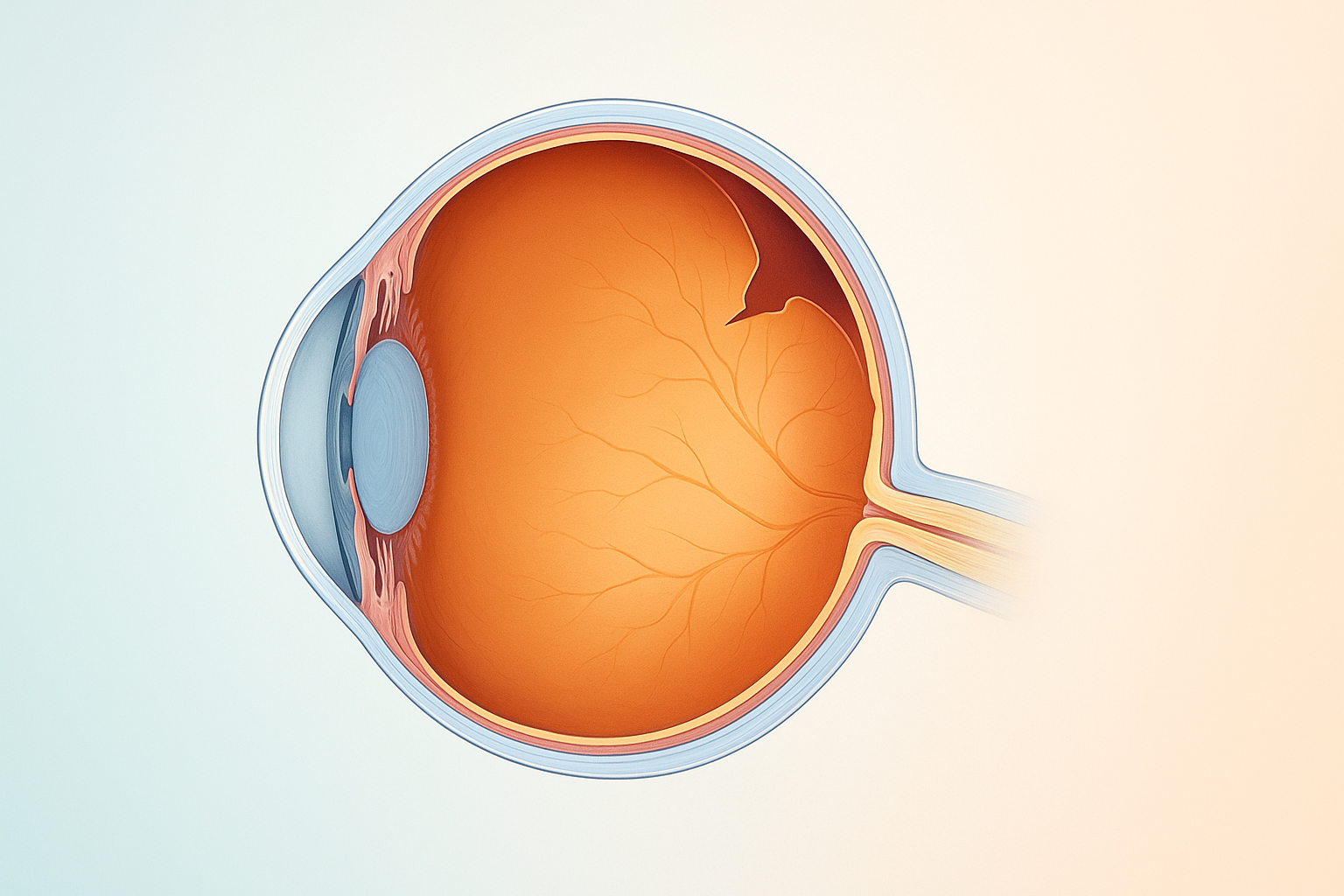
Retinal detachment is a medical emergency in which the light-sensitive retina peels away from the eye's back wall, triggering sudden flashes, floaters, and rapid vision loss.
NAION and retinal occlusion (eye stroke) both cut off blood flow to the eye — one to the optic nerve, the other to the retina. Both demand urgent integrative care to protect and restore vision.
A retinal tear is a small rupture in the eye’s retina that can trigger sudden flashes or floaters and may progress to detachment if untreated.